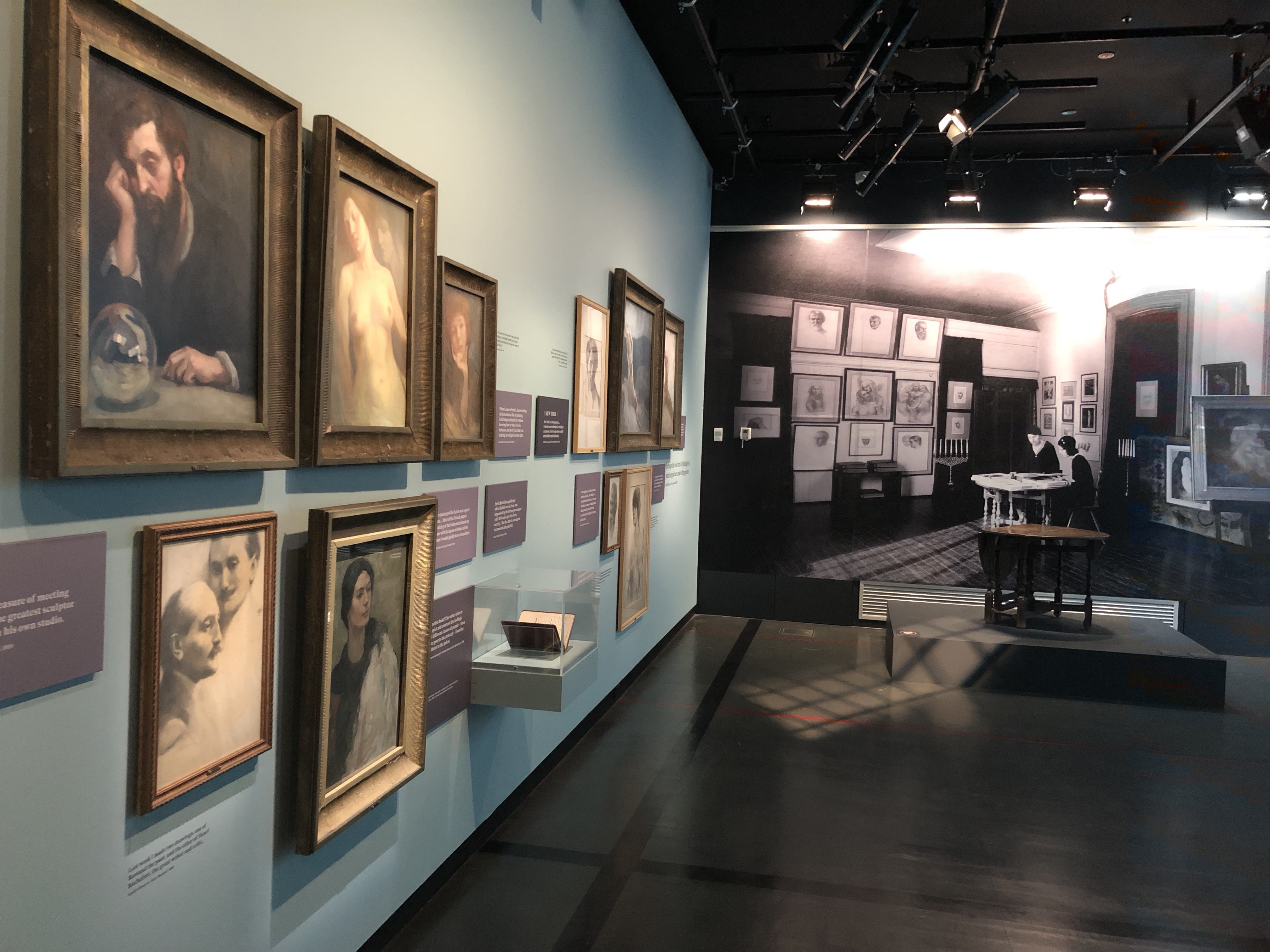
PRESS RELEASE: October 26, 2018. Museums Victoria is partnering with the Gibran National Committee and the Gibran Museum in Lebanon to present an exhibition of the artworks and manuscripts of Kahlil Gibran. Kahlil Gibran’s seminal book, The Prophet, has been translated into 100 languages and his poetry and philosophy are much loved around the world. Born in 1883 in Bsharri, Lebanon, Gibran migrated to America with his mother and three siblings in 1895. From his early years he was passionate about creating art through painting and writing and went on to study art in Boston, where he was inspired by the European Symbolists. The first exhibition of his work appeared in 1904 and it was around ...

By: Warren David, President, Arab America Wedesday 17 October 2018 With all the media reports this past week regarding Jamal Khashoggi, I can’t help but reflect on my relationship with him as a colleague in the media and a man of principle and integrity.... ...Jamal looked me in the eye and seriously asked: “Did you know the impact Kahlil Gibran had at the turn of the last century on the literary movement in the Arab world?” Read full article here... https://www.arabamerica.com/was-jamal-khashoggi-inspired-by-kahlil-gibran/ ...
By Francesco Medici Copyright © Francesco Medici and kahlilgibran.com all rights reserved 2019 * This article is based on an excerpt from the paper Tracing Gibran’s Footsteps: Unpublished and Rare Material, in Gibran in the 21th Century: Lebanon's Message to the World, edited by H. Zoghaib and M. Rihani, Beirut: Center for Lebanese Heritage, LAU, 2018, pp. 93-145. While his masterpiece The Prophet...
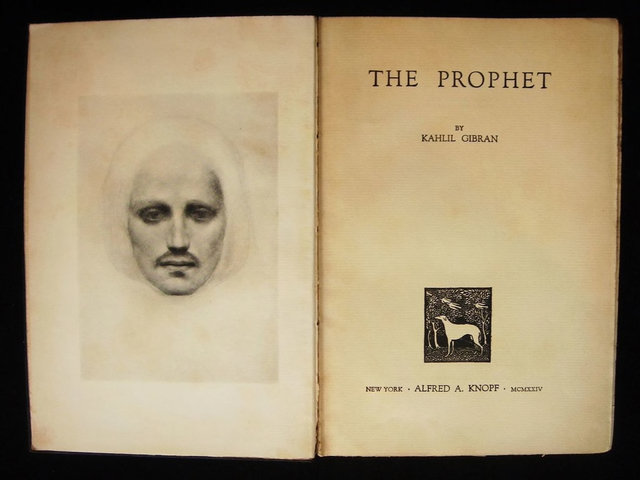
What does it mean to grow up in a Lebanese-American household where Kahlil Gibran is not just a poet but a family connection? In this remarkable personal essay, poet Philip Metres — a distant cousin of Gibran through the Boulos family of Brooklyn — traces the complicated legacy of the third most widely read poet in history. By Philip Metres · Republished by the Kahlil Gibran Collective · 25 September 2018

Study Update: Four new translations of The Prophet found. Since the release of their first study which accounted for 104 language translations of Kahlil Gibran's The Prophet, researchers Kalem and Medici have added an additional four to "the list" revising the total number to 108. The new languages are as follows: Cebuan: Origins Philippines Basque: Origins France/Spain Berber: Origins North Africa Bokmål: Norwegian For the complete list

New Translation Found: Cebuan (Philippines) Following on from their global study (the first of its kind) on the official number of first edition translations of Kahlil Gibran's The Prophet;Research historians Francesco Medici and Glen Kalem have added yet another first-edition language translation (Cebuan, of the Philippines) to the official list, making the total number of translations now 105.The Cebuano or Cebuan language, also often colloquially referred to by most of its speakers simply as Bisaya, is an Austronesian language spoken in the Philippines by about 21 million people in Central Visayas, western parts of Eastern Visayas and most parts of Mindanao, most of whom belong to various Visayan e...

In August 2018, as London hosted both the premiere of a new Gibran musical and an exhibition of Middle Eastern art inspired by his writings, journalist Nick Leech asked a question that is as relevant today as it was then: why do the words of a Lebanese poet who died in 1931 continue to speak so powerfully to the world? By Nick Leech, The National · Republished by the Kahlil Gibran Collective · August 2018 The Prophet...

In the summer of 2018, London became an unlikely but fitting stage for one of the most significant cultural celebrations of Kahlil Gibran in recent memory — a West End musical premiere and a major art exhibition at Sotheby's, both opening within days of each other, both drawing on Gibran's enduring power to speak across cultures, faiths, and generations. Kahlil Gibran Collective · August–September 2018 Kahlil Gibran: A Guide for Our Times

In July 2016, China Social Science Publishing House published the first Chinese translation of Kahlil Gibran: His Life and World — the landmark biography by Jean Gibran and Kahlil G. Gibran. The translator was Dr. Zheng Ma, the leading researcher of Gibran in Chinese scholarship, whose work has done more than any other to deepen Chinese readers' understanding of Gibran's life, art, and enduring legacy. Kahlil Gibran Collective · 10 July 2018
By Glen Kalem [1] Copyright © Glen Kalem and kahlilgibran.com all rights reserved 2019 “I have come to say a word...but if death prevents my word the book of eternity will not leave a word unspoken. What I do today in my s...

The Kahlil Gibran Collective is available for speaking engagements worldwide. Whether for a university lecture, a cultural festival, a literary event, or a private gathering, our scholars bring Gibran's life, art, and legacy vividly to life for audiences of all backgrounds. Kahlil Gibran Collective · Speaking Engagements Glen Kalem-Habib presenting at the Lebanese American University, Beirut, 2014.
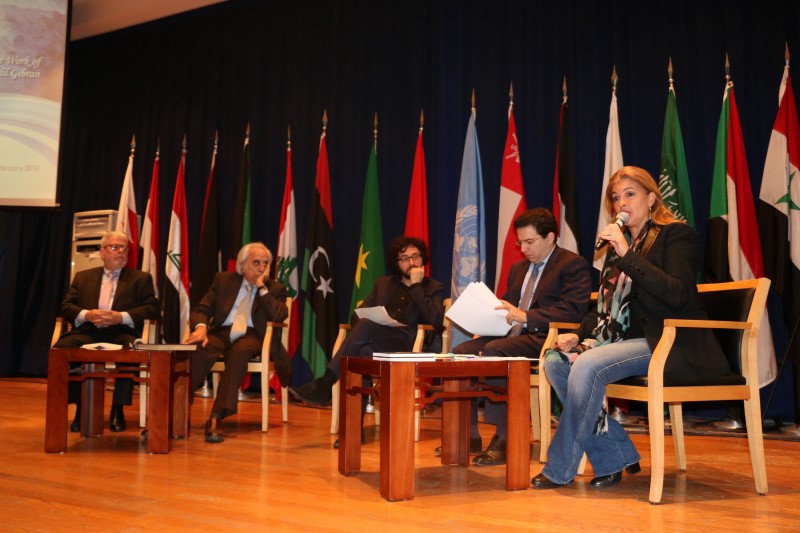
On 20 February 2018, the UN Economic and Social Commission for Western Asia (ESCWA) held a special event at UN-House, Beirut, to mark the World Day of Social Justice — exploring how the themes of equality, injustice, and collective responsibility run through the life and work of Kahlil Gibran. Francesco Medici presented the keynote intervention. By Francesco Medici · Kahlil Gibran Collective · 21 February 2018
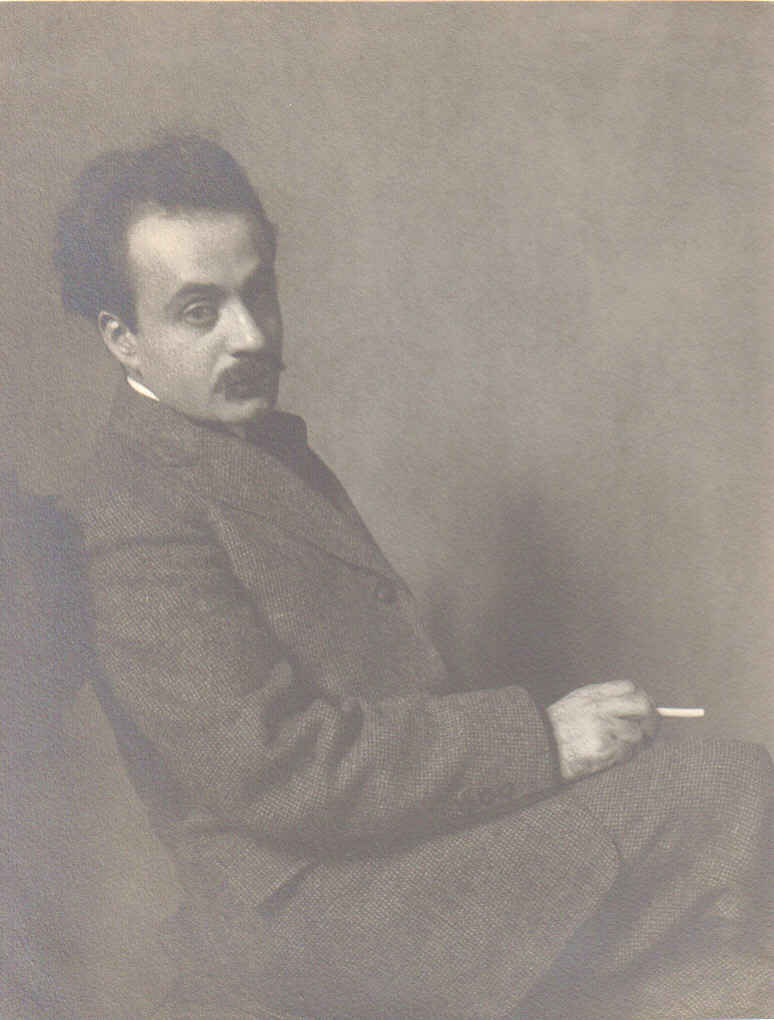
Contrary to popular belief, Kahlil Gibran did not lead an ascetic life. Scholar Francesco Medici traces Gibran's eating habits, favourite restaurants, and the foods that sustained — and occasionally eluded — one of the most celebrated writers of the twentieth century. By Francesco Medici · Kahlil Gibran Collective · 23 October 2016 Kahlil Gibran, photographed by G.W. Harting, 1914. Contrary to popular belief, Kahlil Gibran — Leb...
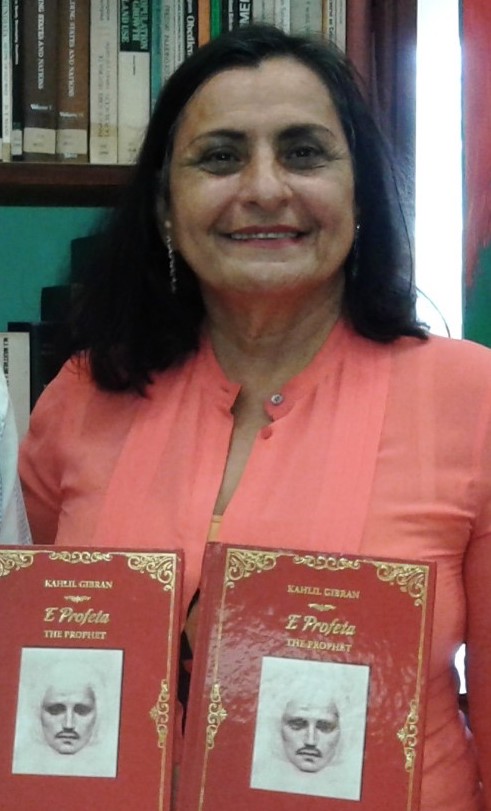
In her own words, Hilda de Windt-Ayoubi — poet, painter, and translator from Curaçao — tells the story of how she came to translate Kahlil Gibran's The Prophet into Papiamento: a journey that began with a stranger's letter and ended with a book that gave the world its first Creole-language edition of Gibran's masterpiece. By Hilda de Windt-Ayoubi · Kahlil Gibran Collective · 22 April 2014
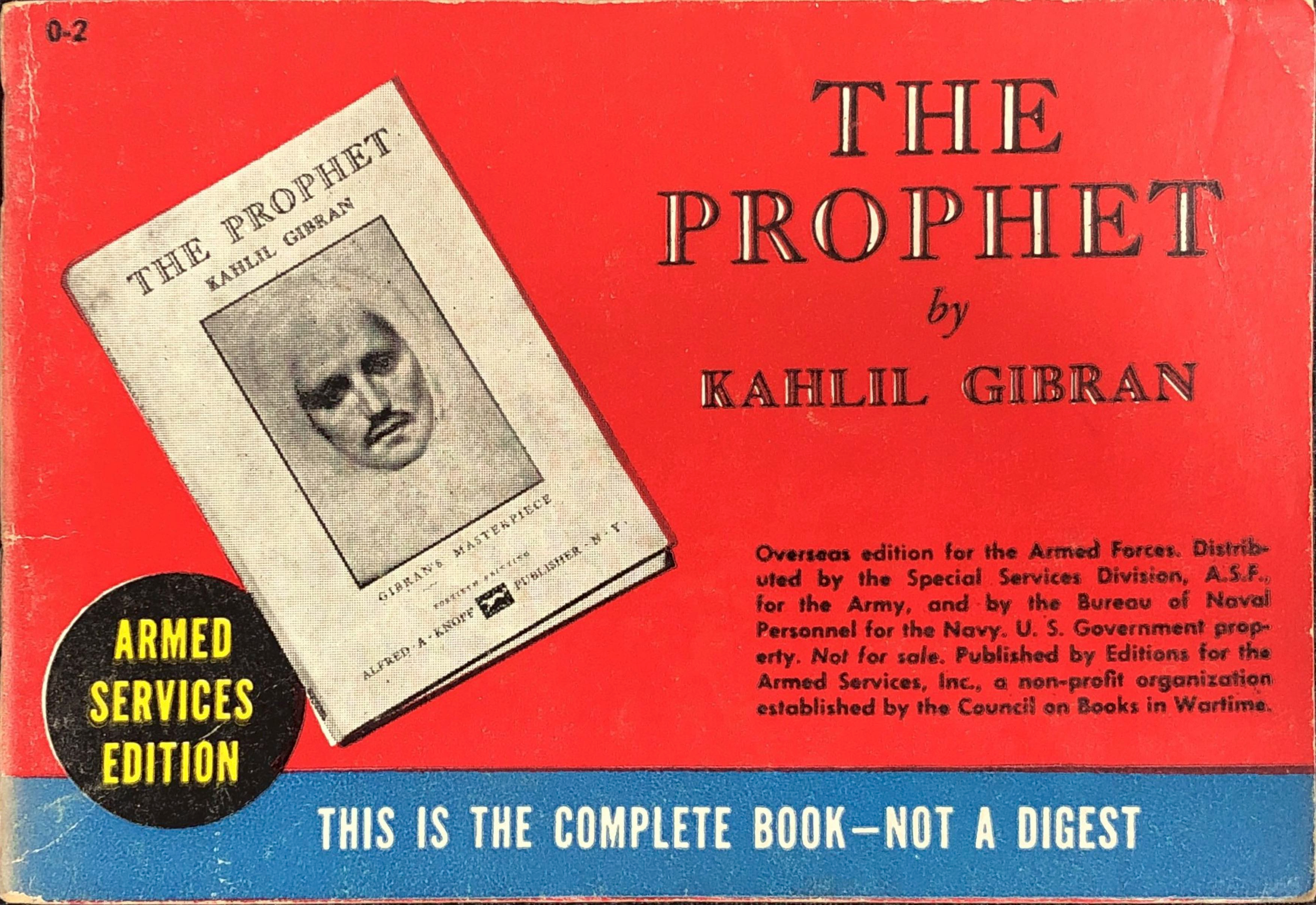
The Prophet of War by Glen Kalem Picture this; you’re a combat soldier in WWII a few thousand miles away from home, hunched down in a murky bunker waiting for your orders to leap out onto the frontline of Normandy. Moreover, you’re the co-pilot flying a United States aircraft loaded with an atomic bomb en route to the Japanese city of Hiroshima… or further still, you’re one of the sixty-eight American servicewomen captured as a POW in the Philippines. Packed in your uniform sits an oblong-shaped paperback – the front cover reads “Armed Services Edition” Next to it, a distinguished catchphrase “This is the complete book – not a digest”; in between is a photograph of the original book cover and an accompanying title with the author’s name, and t...

In 2013 and 2014, Italian scholar Francesco Medici published two landmark works that brought Kahlil Gibran and his closest literary companion, Ameen Rihani, to Italian readers for the first time — cementing his reputation as the leading voice in Italian Gibran scholarship. Kahlil Gibran Collective · 22 April 2014 Ameen Rihani (1876–1940) — whose masterwork T...
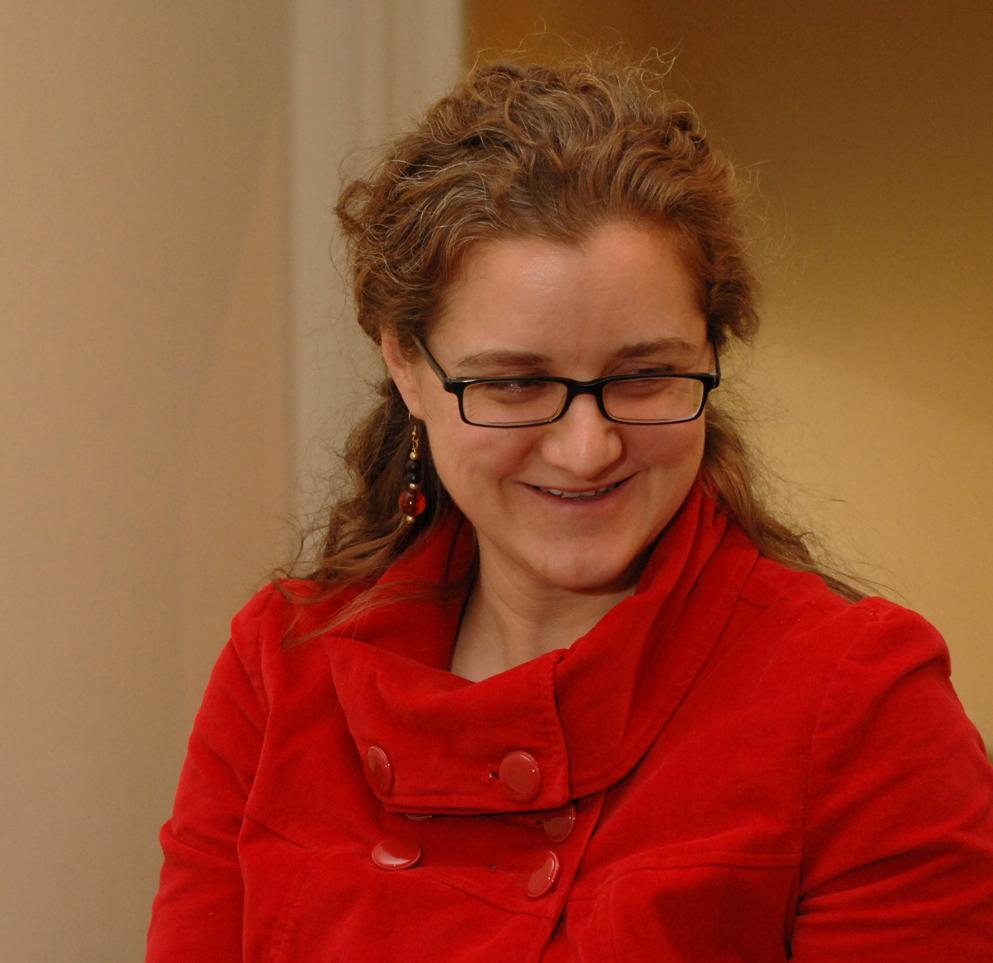
In 2016, Tania June Sammons — Senior Curator at the Telfair Museums in Savannah, Georgia, and recipient of the 2014 Kahlil Gibran International Award — taught an eight-week course exploring the extraordinary life of Mary Haskell Minis: the woman who shaped, funded, and spiritually sustained the writing of The Prophet. Kahlil Gibran Collective · 16 September 2016 Tania June Sammons — Senior Curator, Telfair Museums, Savannah, ...

What does Kahlil Gibran's The Prophet have to say about prisoners of conscience — those imprisoned not for what they have done, but for what they have said? Layli Miron, a Bahá'í graduate student, finds in Gibran's animated film and its source text a surprisingly urgent political vision. By Layli Miron · Republished from HuffPost Religion · Kahlil Gibran Collective · 16 May 2016

In May 2016, the College of Behavioral and Social Sciences at the University of Maryland appointed May Rihani — international pioneer in girls' education, women's rights advocate, and niece of Ameen Rihani — as the new Director of the George and Lisa Zakhem Kahlil Gibran Chair for Values and Peace. Kahlil Gibran Collective · 7 May 2016 May Rihani — Director, George and Lisa Zakhem Kahlil Gibran Chair for Values and Peace, University of Maryland (2016–2019). The College of Behavioral a...

A new biography of Blanche Knopf — wife of publishing giant Alfred A. Knopf and the woman behind some of the twentieth century's most enduring literary discoveries — reveals that it was Blanche, and not Alfred, who first recognised the genius of Kahlil Gibran. By Glen Kalem-Habib · Kahlil Gibran Collective · 2 May 2016 · Contributor: Francesco Medici